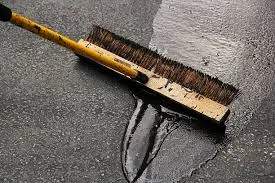
Most Greensboro property owners call about sealcoating after the lot has already gone gray. That's not too late — oxidized asphalt is exactly the surface that benefits — but it's later than it needed to be. The lots we walk around churches, apartment communities, retail centers, and office parks across Greensboro, High Point, and the rest of the Triad follow the same pattern: the binder dries out, water finds the cracks, and a surface that could have been protected for another cycle starts needing patch work instead.
This is a local guide, not a generic product page. It covers when sealcoating actually helps a Greensboro lot, when it won't, and how we plan the job around North Carolina weather instead of a calendar reminder that ignores the pavement in front of you.
When a Greensboro lot is ready to seal
For most commercial and community lots here, every 2 to 3 years is a useful starting point. Traffic volume, drainage, shade, and how well cracks have been kept up all move that window. A church lot that's busy on weekends ages differently than a medical office with daily circulation or an apartment lot that never really empties.
We recommend sealing when the asphalt still has solid structure underneath but is starting to lose its deep black finish, feel dry underfoot, or show light surface wear. Once you have base failure, major potholes, or widespread alligator cracking, a coat of sealer is cosmetic at best. Those areas need repair first.
Color has shifted from black to gray
Oxidation is the first visible cue. The lot isn't failed — the surface oils that keep asphalt flexible are drying out in Greensboro sun.
Paint is fading faster than the traffic should explain
Worn, chalky asphalt is a poor surface for striping. Fresh paint on a dry, oxidized lot rarely lasts as long as paint on a sealed one.
Fine surface cracking is starting to spread
Hairline cracks are still a sealing job if you fill them first. Leave them through another winter and they become the path water uses to reach the base.
You want one closure, not three
If striping, wheel stops, or signage are already on the list, pairing them with sealcoating keeps the lot closed once and looking consistent when it reopens.
Best season in the Piedmont Triad
Late spring through early fall is the window that actually works here. We look for warm pavement, low rain risk, and enough dry hours for the coating to cure. In practice that usually means April through October, with extra attention to humidity and afternoon storms.
A coating that gets rained on before it sets doesn't just look streaky — it fails as a barrier. We'd rather move a Greensboro job a few days than put down a coat that peels before the next restriping cycle.
What sealcoating actually protects against
- UV: North Carolina sun dries binder oils and speeds oxidation. A seal coat puts a sacrificial layer between that sun and the pavement.
- Water: Sealer helps at the surface, but only if cracks are filled first. Water that already has a path into the base will keep using it.
- Curb appeal: A dark, even lot reads as maintained. That matters for tenants, customers, and residents whether or not anyone is thinking about asphalt chemistry.
- The next restripe: Paint stands out and bonds better on a prepared, sealed surface than on gray, oxidized asphalt.
In short, sealcoating is a maintenance cycle, not a rescue. That's why we evaluate crack filling, restriping, signage, and wheel stops together instead of selling a coat in isolation.
What we check before we quote a Greensboro job
Structure first
Surface prep
If a section of the lot isn't a candidate, we'll say so. Paying for sealer on failed pavement is how owners get disappointed six months later and decide "sealcoating doesn't work."
How long should I stay off a freshly sealcoated lot?
Most properties need a controlled cure window before normal traffic returns. Exact timing depends on temperature, humidity, and the coating used. We'll give you a reopening time for the day we actually pour, not a generic estimate from a product sheet.
Can sealcoating fix potholes?
No. Potholes and failed areas need repair first. Sealcoating is a protective surface treatment, not structural reconstruction.
Does every Greensboro lot need the same schedule?
No. Traffic counts, drainage, shade, oil drips, and existing pavement age all change the timing. A high-turnover retail lot near Battleground or Wendover usually needs attention sooner than a low-traffic church lot.
Should I restripe in the same visit?
Usually yes, after the coating has cured — typically about a week or two later. Painting too early tracks sealer; waiting too long leaves you with a dark lot and faded lines. We plan both so you aren't coordinating two vendors and two closures.
Want an honest read on your Greensboro lot?
We'll walk the pavement, tell you whether sealcoating is the right next step, and quote the prep work that has to happen first — including crack filling and restriping if they belong in the same cycle.