Showroom lots that sit pale gray by the next Market, and warehouse lots that oxidize around the trailer pads, are the ones we see most in High Point. If the asphalt is still structurally sound, a coat after crack fill buys years. If the base has failed around a dock, sealer is cosmetic. We say so on the walk.
High Point's mix of visitor parking and heavy truck pads means one lot can need two treatments: a protective coat on the car field, and honest patch talk on the loading side. Summer afternoon storms are the scheduling enemy. We look for roughly 50°F and rising, a low rain chance for 24–48 hours, and about 48 hours of cure before cars return. April through October is the usual window.
When sealing helps — and when it does not
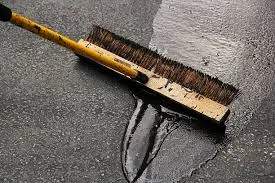
Sealcoating is a protective surface treatment, not a structural repair. Cracks and potholes come first. The useful High Point window is late spring through early fall: warm pavement (about 50°F and rising), a low chance of rain for 24–48 hours, and about 48 hours of cure before the lot reopens. If the asphalt has failed, it needs paving, not a coat. We will say so.
How Atlas works a High Point lot
Order of operations is clean → crack fill → seal. Sealer over dirt or open cracks does not bond. If striping is due, it follows the cure so the new lines sit on a stable surface. No published prices; the walk sets the scope.
Showrooms can often close a wing at a time. Distribution sites may need a weekend or overnight on the visitor lot only. We do not promise a calendar date when storms are in the forecast.
Atlas is based in Greensboro and regularly works High Point furniture-market showrooms, manufacturing plants, and logistics lots. Nearby communities include Greensboro, Thomasville, and Winston-Salem. Call (336) 662-3312 or request a free on-site estimate. We do not publish prices.